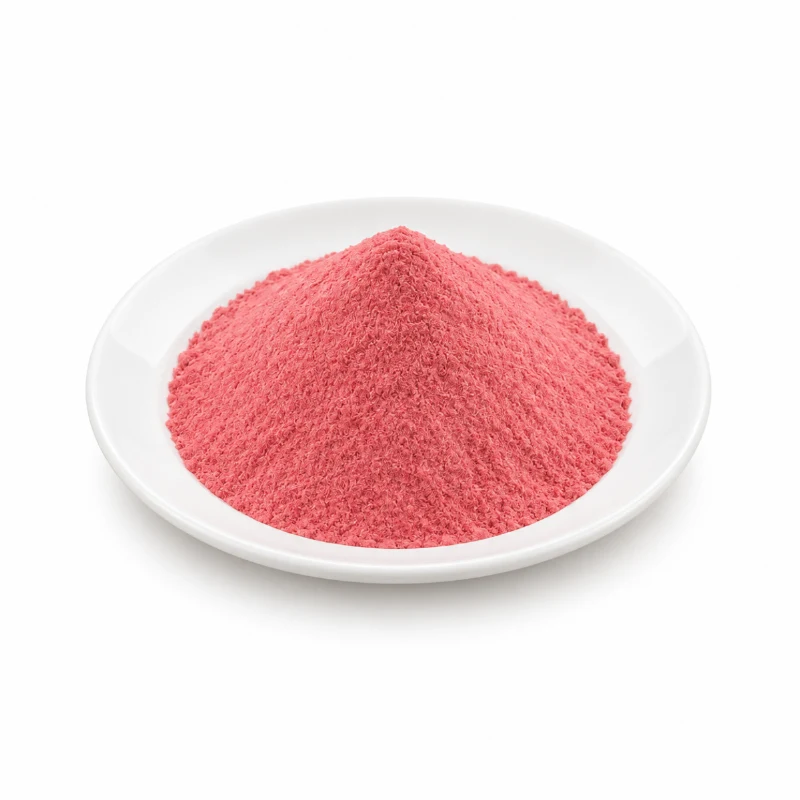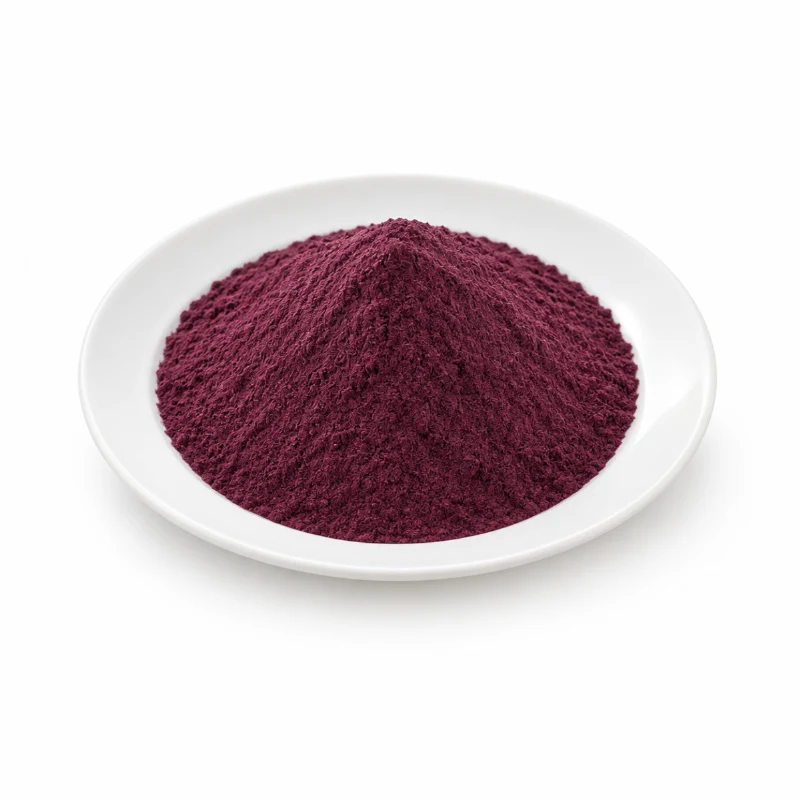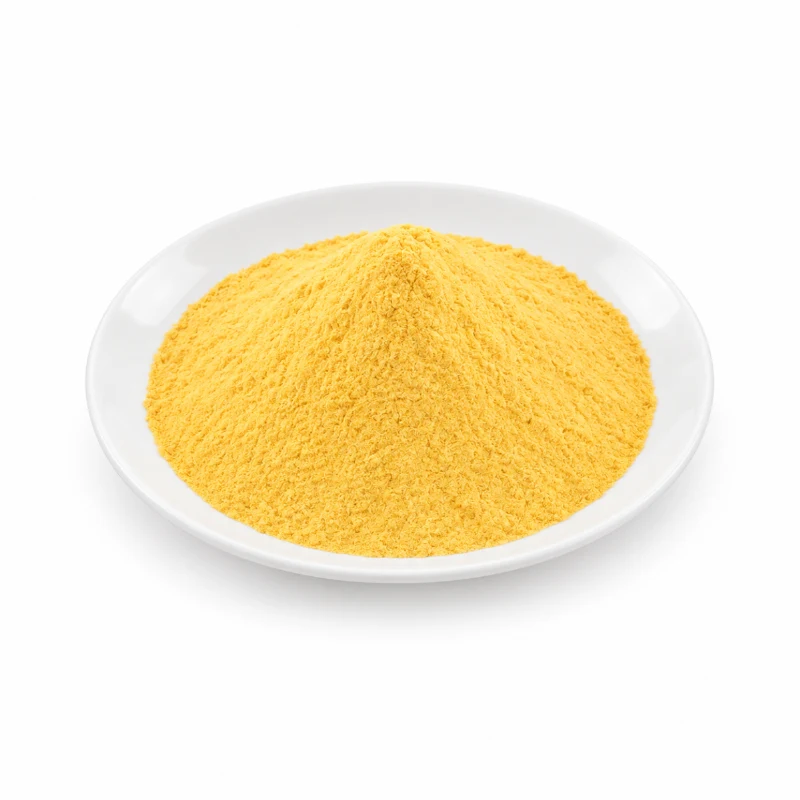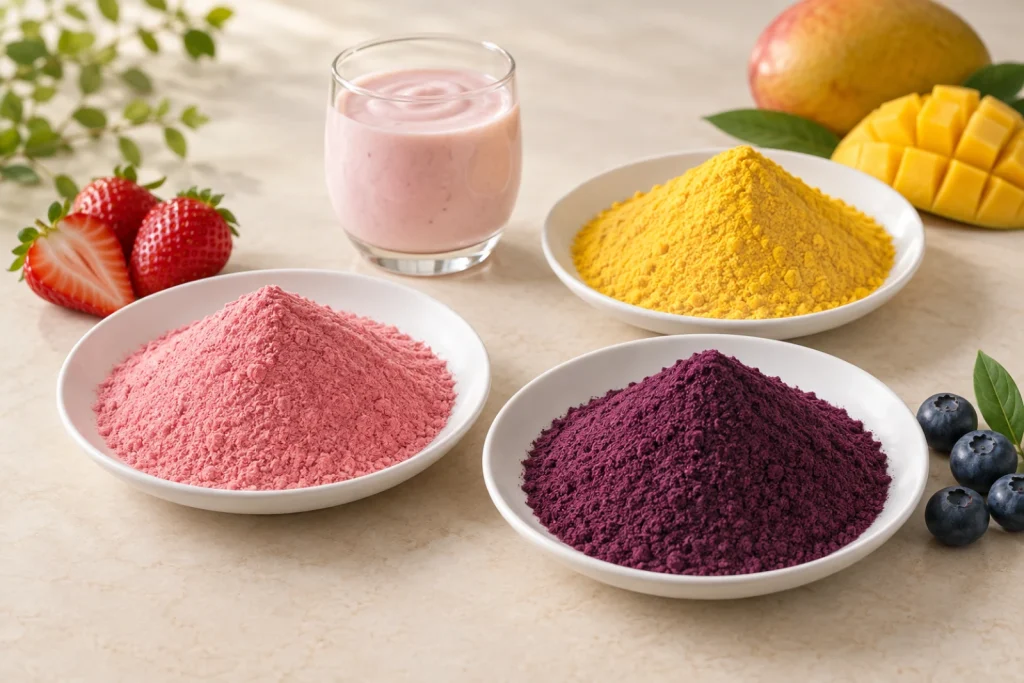
Fruit powder offers a different development route from a visible fruit inclusion. It is worth exploring when the aim is to distribute fruit through a recipe, but a powder should still be evaluated in the finished food. The colour in the sample bag is only one observation.
Define the job of the powder
Choose the main purpose of the trial: fruit flavour, colour, a particular mouthfeel, or a combination. Keep these judgments separate on the evaluation sheet. A sample that delivers the preferred shade may not deliver the preferred flavour at the same addition rate.
Confirm the ingredient declaration and available particle-size information with the supplier. Do not assume that all products described as fruit powder have the same formulation or physical specification.
Compare weighed additions
Make a control batch and a small series of weighed additions to the same base. Record the powder as a percentage of total recipe weight, and keep mixing equipment and evaluation conditions consistent. Use coded samples if several colleagues will compare the results.
Score flavour intensity, acidity, sweetness perception, colour and texture separately. Record an observation rather than a verdict: “visible particles after standing” is more useful to the next trial than “does not work”.
Watch mixing and standing
Record the order of addition, mixing time and base temperature. Compare different addition sequences only as a deliberate trial variable. Do not assume that a fruit powder will behave like a fully soluble flavouring; check dispersion and any settling in the actual drink or filling.
Inspect the product when freshly mixed and again at the intended serving point. If it will be heated, chilled or held before use, include that step. Photograph colour comparisons under consistent lighting rather than comparing unrelated phone photographs.
Include handling in the specification discussion
Freeze-dried foods can absorb moisture from their surroundings, as explained by University of Minnesota Extension. Record how samples were stored and handled so that an application result is not confused with a handling difference.
Agree the next trial from the observations: another addition rate, an alternative fruit, or a different available powder specification. Avoid making nutrition or label claims from appearance or taste; those require their own substantiation.
Send TIANQIN your powder application and preferred trial outcome, together with the quantities you plan to evaluate.