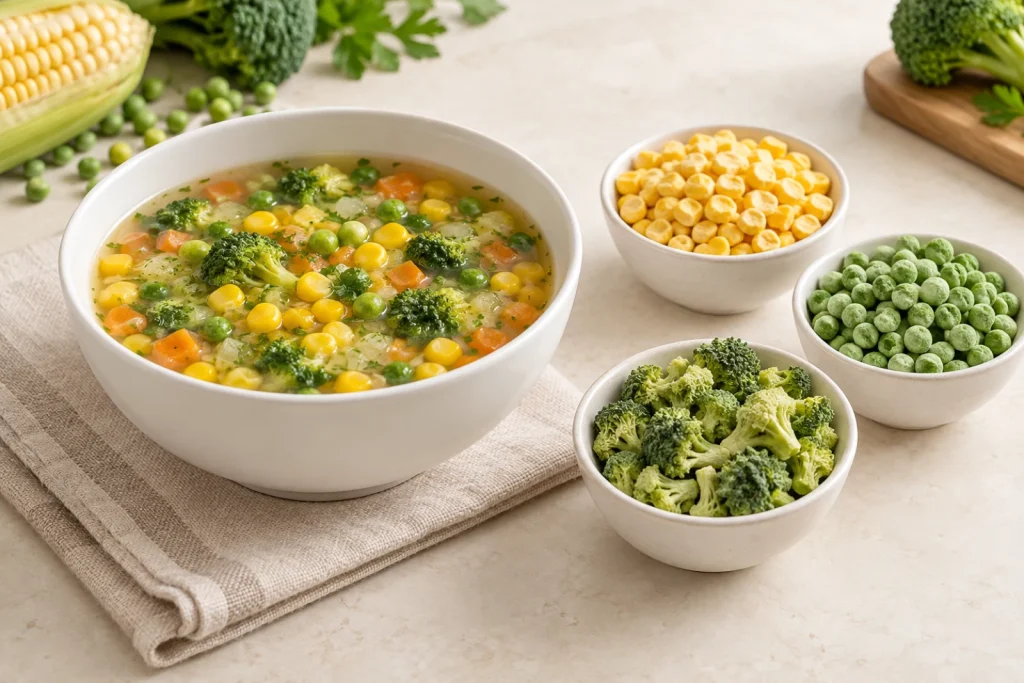
A rehydration trial should answer a product question: will this vegetable reach the texture, appearance and flavour your recipe needs under the intended preparation conditions? There is little value in a quick water test if the commercial product follows a different process.
Start with the preparation method
Write down how the finished food will be prepared. Will the vegetable simmer in soup, be mixed into a sauce, or be prepared separately before assembly? Specify the liquid, quantity, temperature and planned handling sequence. Use the supplier’s instructions as the starting point for the ingredient.
Do not assume one preparation time is suitable for every vegetable and cut. Compare each candidate under clearly recorded conditions before combining several ingredients into one blend trial.
Record a repeatable baseline
Weigh the dry sample and added liquid, identify the sample lot and record the vessel used. Keep the method consistent between repetitions. If you weigh the prepared sample, use the same draining method each time; otherwise the recorded weight may reflect retained surface liquid rather than a meaningful difference.
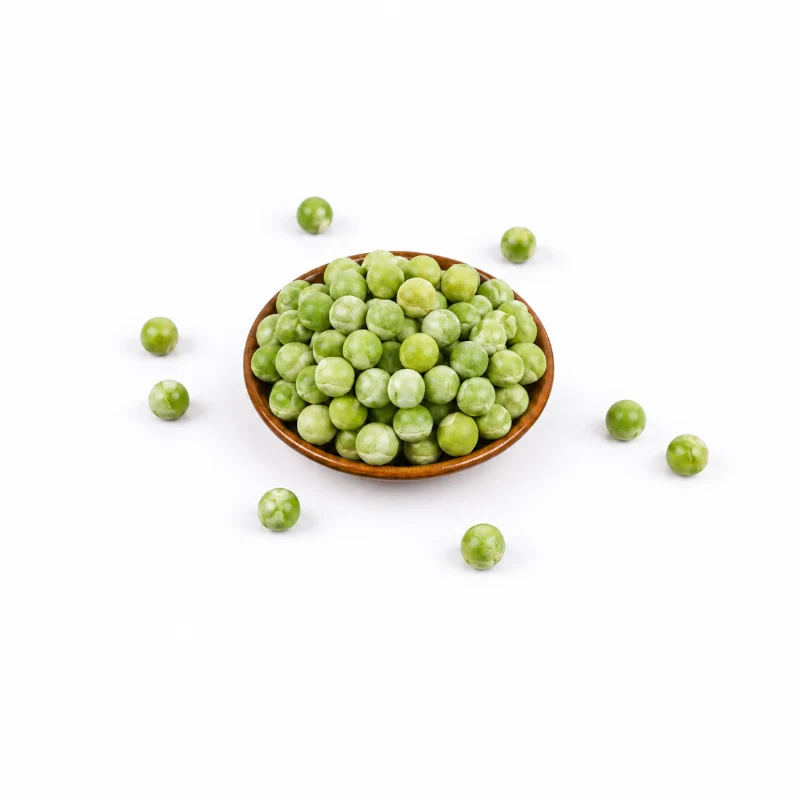
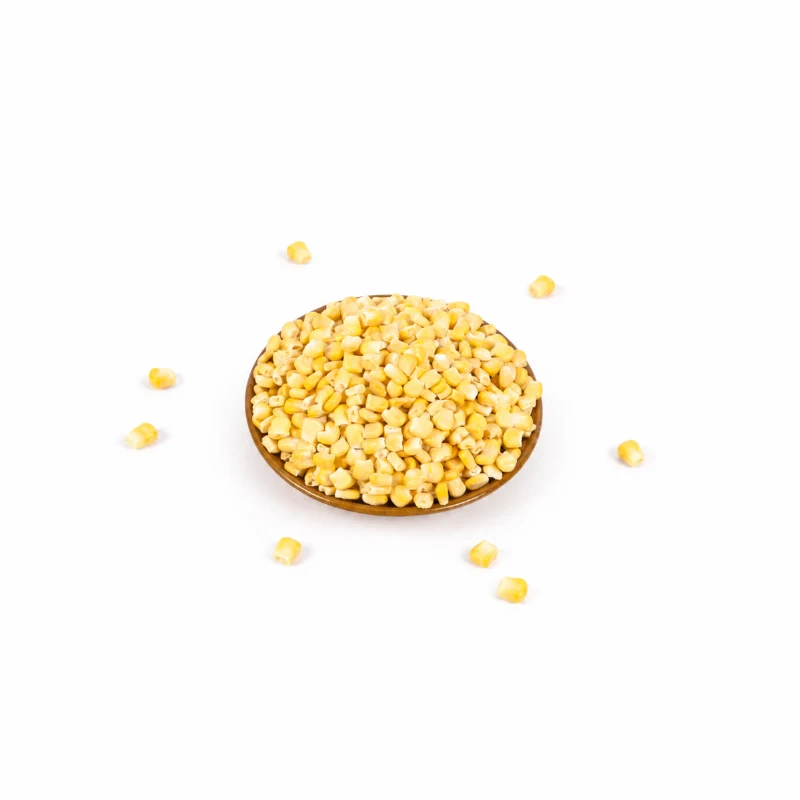
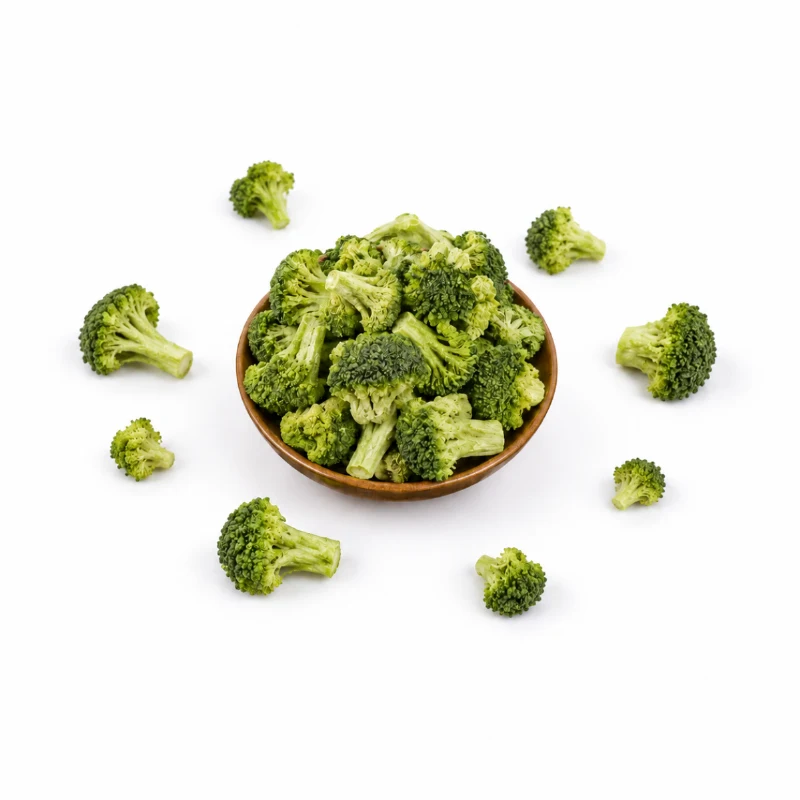
- Photograph the dry ingredient and the prepared result.
- Record observations at defined points in the preparation process.
- Inspect several pieces, including larger ones, rather than judging one piece.
- Note colour, flavour and texture separately.
Move from water into the recipe
A water trial is a useful comparison, not the final approval. Repeat the evaluation in the actual soup, sauce or meal component. Record changes to the recipe so they can be distinguished from changes to the ingredient.
Assess the result at the intended serving point. A vegetable that looks suitable immediately after preparation may be different after the holding step used in your process. Decide in advance what texture is acceptable for the finished dish.
Keep food safety separate from texture
Softening is not proof of a safe process. Utah State University Extension explains that microorganisms can survive freeze-drying. Confirm the ingredient’s intended use and have your quality team establish the appropriate preparation, cooking and holding controls.
Share a precise result
Send the supplier the sample reference, preparation record and photographs, followed by the change you want to investigate. This makes a discussion about cut size or another available vegetable much more productive than asking for a sample that is simply “better”.
Explore TIANQIN’s vegetable ingredients or discuss your application with our team.